
Electrical Services for Small Businesses
Electrical Needs of Offices, Shops and Studios
Delco Park Electric serves small businesses as well as homes in Kettering and the neighboring communities of Oakwood, Centerville, Moraine, Beavercreek and southern Dayton. An office, a shop or a studio asks different things of its wiring than a house does. Equipment runs for hours at a time, several machines may start together, and a circuit that trips can halt the working day.
The needs tend to fall into a few groups: better light for the work, more outlets and dedicated circuits for equipment, enough panel capacity for what has been added over the years, and a fix for breakers that trip during the working day. The sections below take each in turn.
Lighting for Work Areas and Displays
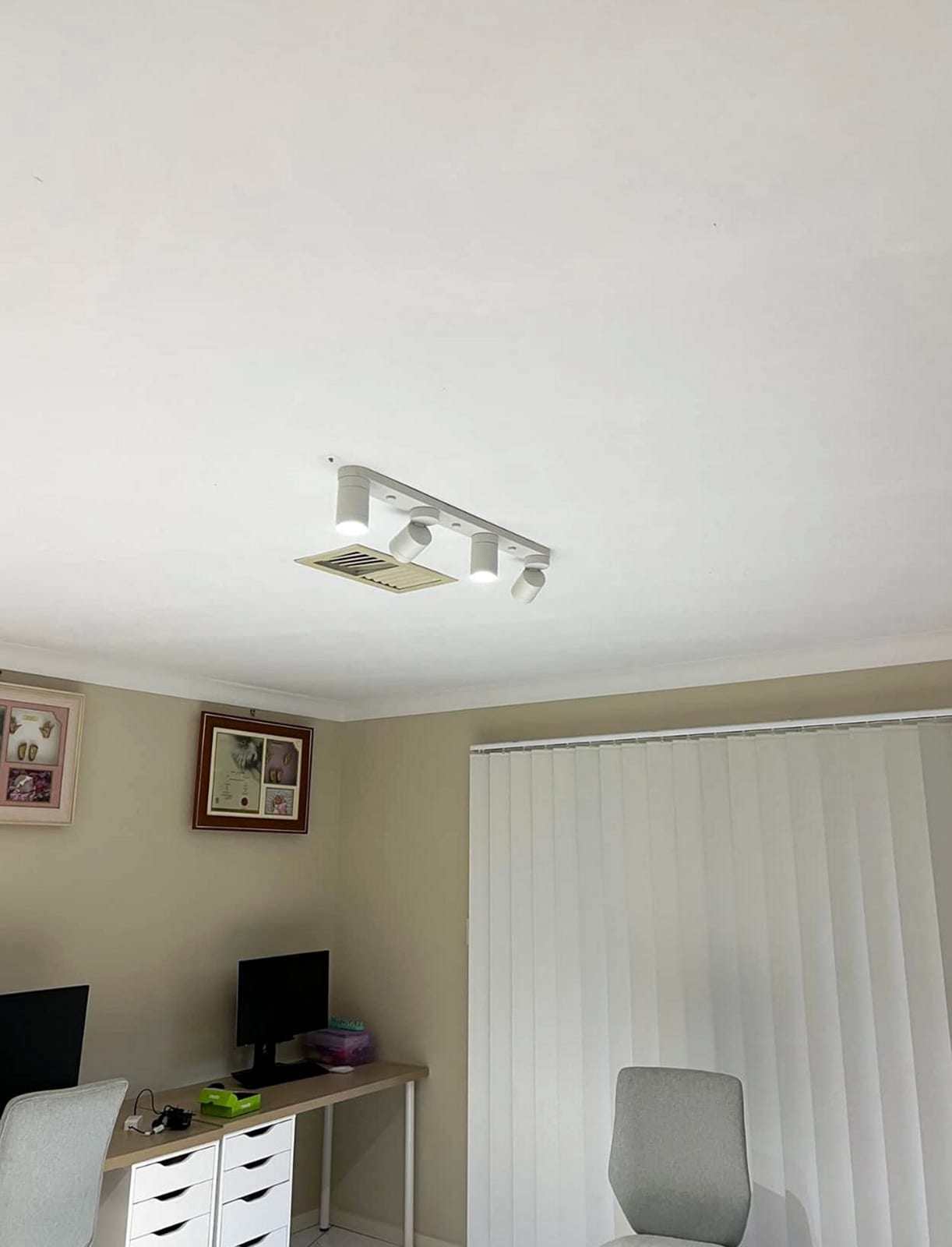
Good light is part of the work itself. A desk needs even light without glare on a screen, a shop needs light that shows goods as they are, and a studio may need light that can be aimed and dimmed. Recessed lighting gives a clean, even ceiling. Track lighting lets each head be pointed at a wall, a shelf or a work surface and moved when the layout changes.
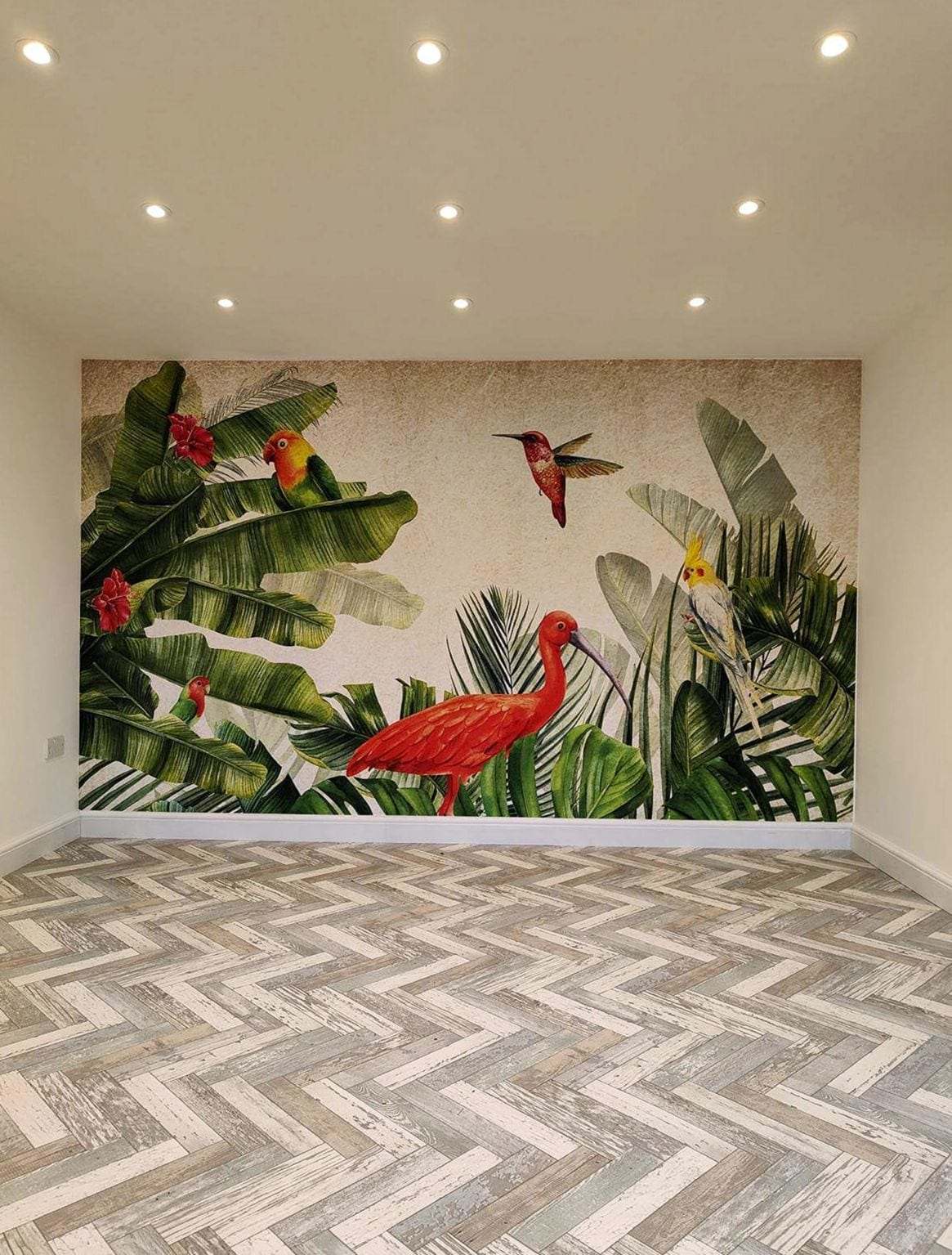
New lighting also has to suit the circuit that feeds it, the switches that control it and the ceiling it is mounted in. Fixtures, recessed lighting, dimmers and outdoor lighting are covered in more detail under lighting installation.
Added Outlets and Dedicated Circuits for Equipment
Many small premises were wired for far fewer devices than they now hold. Extension cords and power strips running across a floor are a common sign. Adding outlets where they are needed removes those cords and spreads the load more evenly across circuits.
Some equipment calls for a circuit of its own: a copier, a refrigerated case, a compressor, a kiln or a heavy tool, for example. A dedicated circuit keeps that load from tripping the breaker that also feeds the lights and the computers, and larger machines may need a 240-volt circuit sized to the equipment’s rating. GFCI protection applies near sinks, in wet areas and outdoors. Outlet types and protection are compared under outlets, switches and wiring.
Panel Capacity When Equipment Is Added
Each new machine, light or circuit draws on the same panel. In an older building, or one that has changed use, the panel may already be close to its limit or out of spaces for new breakers. A look at the panel, the existing circuits and the planned equipment shows whether the current service can carry the new load or whether a larger panel or service is the sounder plan. Whole-house surge protection, which guards electronics and controls against voltage spikes, is installed at the panel as well.
Service upgrades usually involve the utility and typically require a permit and an inspection. What an upgrade involves is set out under panel and service upgrades.
Breakers That Trip During the Working Day
A breaker that trips every afternoon, or every time two machines run together, is usually telling the truth: the circuit is carrying more than it was meant to, or a connection somewhere along it is failing. Other faults are less predictable, such as lights that flicker when equipment cycles on, or an outlet that runs warm. Tracing the pattern of when and where the trouble appears is the way to the cause. Common symptoms, and the safe first step for each, are listed under electrical repair and troubleshooting.
Charging a Business Vehicle
A shop or a service business that runs an electric vehicle may want to charge it on site. As with a home charger, the work is mainly a circuit: the panel’s capacity is checked against the new load, a circuit size is chosen to suit the charger, and a route is planned to the parking spot. Charger circuits are planned as described under EV charger installation.
Arranging Electrical Work for a Business
A business is handled the same way as a home, with the visit timed around the working day where that matters, and the work is laid out before any of it begins. Each stage is set out under How We Work.
The phone is answered early in the morning and into the evening on every day of the week, so the first call can be made before or after a shop’s own business hours. The exact hours are listed at the foot of every page.
Information That Helps on the First Call
- What the business does and which equipment draws the most power
- Which breakers trip, and at what times of day or under what load
- The approximate age of the building and of its panel, if known
- Any equipment, lighting or charging planned for the coming months
With those details in hand, the visit can focus on the parts of the system that matter for the business.